
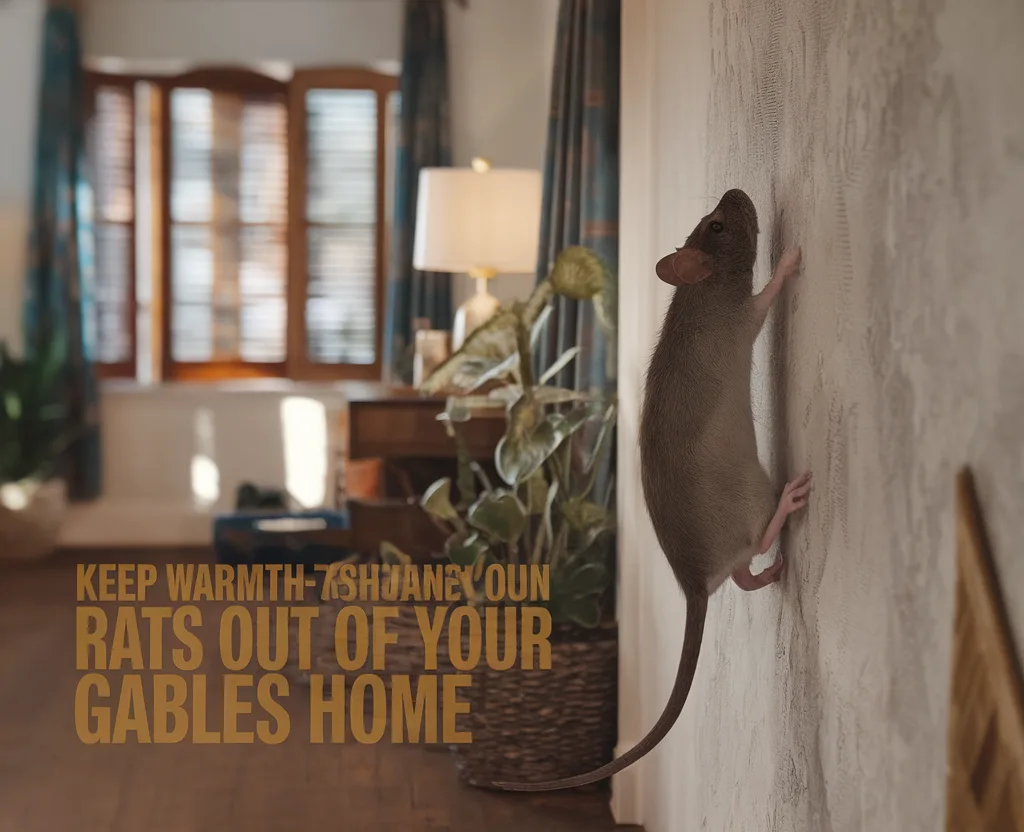
Picture this: It’s a cooler-than-usual evening in Coral Gables, and you’re relaxing at home when you hear an unmistakable scratching sound coming from your attic. At first, you convince yourself it’s just the wind rustling through the trees lining your street, but the noise persists, and it’s moving. Your heart sinks a little as reality sets in. You’re not alone up there.
If this scenario sounds familiar, you’re in good company. Homeowners throughout Coral Gables are discovering that their beautiful Mediterranean Revival homes and historic properties have become attractive winter retreats for warmth-seeking rats. As temperatures drop during South Florida’s mild winter months, these resourceful rodents actively search for cozy shelter, and your Coral Gables residence offers everything they need: warmth, protection from the elements, and potential food sources.
The good news? Understanding why rats target homes in this prestigious community, and knowing how to prevent their unwelcome visits, can save you from significant property damage, health risks, and the considerable stress these intruders bring. Let’s walk through this together.
Why Your Coral Gables Home Is Like a Five-Star Hotel to Rats
Here’s the thing: Coral Gables presents a unique combination of factors that make it particularly attractive to rats during cooler months. It’s not just your home, it’s the entire neighborhood layout and design that creates this challenge.
Think about the city’s distinctive architectural heritage for a moment. Those iconic Mediterranean Revival and Spanish Colonial designs built between the 1920s and 1940s are absolutely stunning. The clay tile roofs, stucco exteriors, and charming architectural details give Coral Gables its timeless elegance. But those same features also provide numerous entry points that rats can exploit when seeking shelter from temperature drops.
And while South Florida winters might seem mild compared to northern climates, the temperature variations between day and night, and those occasional cold fronts that sweep through Miami-Dade County, are enough to send rats searching for warmer accommodations. When outdoor temperatures dip into the 50s or low 60s during December and January nights, rats become increasingly motivated to find indoor shelter. Your home’s consistent interior temperature of 70 to 75 degrees? Irresistibly appealing to these cold-sensitive creatures.
The Tree-Lined Highway Problem
One of the things that makes Coral Gables so beautiful is also one of the things that makes it so vulnerable. That gorgeous canopy of banyan trees, live oaks, and ficus trees throughout the neighborhoods creates natural highways for roof rats, the most common rat species in the area. These agile climbers easily traverse overhanging branches to reach rooflines, where they search for vulnerabilities.
I’ve seen it happen time and again with homeowners in Pinecrest, South Miami, and throughout the area. You plant trees for shade and beauty, they grow magnificently over the decades, and suddenly you’ve created a superhighway straight to your roof. It’s nobody’s fault, just an unintended consequence of the lush landscaping we all love.
Common Entry Points That Catch Homeowners Off Guard
What many homeowners don’t realize is just how small an opening rats actually need. We’re talking about a gap the size of a quarter. That’s it. With that in mind, here are the vulnerable spots to watch:
- Gaps around roof vents and exhaust fans where the seal has deteriorated over time
- Soffit and fascia boards that have developed wood rot, especially common in older homes
- Broken or missing roof tiles, those clay beauties that can shift or crack
- Uncapped chimneys that basically roll out the welcome mat
- Foundation cracks and utility line penetrations where cables, pipes, and wires enter your home
- Worn weatherstripping around garage doors, particularly common in carriage houses and attached garages
The Warning Signs You Need to Know
Early detection is everything when dealing with rats in your Coral Gables home. The sooner you identify their presence, the less damage they’ll cause and the easier they’ll be to eliminate. Trust me on this, the difference between catching a problem early and dealing with an established infestation is night and day.
Sounds That Should Get Your Attention
Rats are primarily nocturnal, so most activity occurs between dusk and dawn. That’s when you’ll hear the telltale signs:
Scratching or scurrying sounds in walls, attics, or between floors. It’s different from the random creaks and settling noises your house makes. This is purposeful movement, often with a rhythm to it. Gnawing noises as rats chew through building materials. Sometimes it sounds like someone softly scratching at wood. Squeaking or chattering when multiple rats communicate, which honestly sounds exactly as unsettling as you’d imagine. And those thumping sounds as rats move across attic insulation or ceiling joists, especially noticeable in the quiet of night.
These sounds often intensify during cooler nights when rats are most active indoors, establishing nests and searching for food. If you’re hearing these sounds consistently, it’s time to investigate further.
Visual Evidence Throughout Your Home
Physical signs of rat activity often appear before you actually see a rodent, which is actually a blessing because nobody wants that face-to-face encounter. Watch for:
- Droppings that look like dark, capsule-shaped pellets approximately half an inch long, typically found along baseboards, in cabinets, or near food sources
- Gnaw marks that appear lighter in color on wood surfaces when they’re fresh, and may be visible on electrical wires, plastic containers, and cardboard boxes
- Grease marks along walls and beams where rats travel the same routes repeatedly, leaving dark, oily smudges
- Nesting materials like shredded paper, fabric, insulation, or plant matter collected in hidden areas
- Tracks and tail marks visible in dusty attic spaces or areas with minimal traffic
- Damaged stored items including chewed boxes, contaminated holiday decorations, or damaged sentimental items in storage areas
Outdoor Warning Signs Before They Get Inside
Before rats enter your Coral Gables home, evidence often appears in your yard. Homeowners in Kendall and Homestead have learned to watch for these outdoor indicators:
- Burrows near foundation plantings where Norway rats create underground tunnels
- Droppings on patio furniture or pool equipment indicating rats are actively exploring your property
- Damaged fruit where rats have been feeding on citrus, mangoes, and other fruit common in Coral Gables landscapes
- Disturbed compost bins or outdoor trash containers showing signs of rats foraging for food
The Real Risks That Keep Us Up at Night
Beyond the immediate discomfort of sharing your living space with rodents, rats pose serious risks that escalate the longer an infestation continues unchecked. This is where things get genuinely concerning, and why we take rat problems so seriously at Dade Pest Solutions.
Health Risks for Your Family
Rats carry numerous diseases that can affect humans through direct contact, contaminated surfaces, or airborne particles from dried urine and feces. In Miami-Dade County, public health officials actively monitor rat-borne diseases including leptospirosis, a bacterial infection that can cause kidney damage, liver failure, and respiratory distress. There’s also salmonellosis, which is food poisoning resulting from contamination of kitchen surfaces and stored food. Rat-bite fever, though rare, can occur through bites or scratches. And hantavirus, which is transmitted through inhalation of contaminated dust particles.
Additionally, rats host parasites like fleas, ticks, and mites that can infest your home and create secondary pest problems. It becomes a cascading situation that gets worse the longer it continues.
Property Damage and Safety Hazards
Here’s something that surprises most homeowners: rats must constantly gnaw to keep their continuously growing incisors manageable. This biological necessity creates serious problems for Coral Gables homeowners.
Electrical system damage represents one of the most dangerous consequences. Rats frequently chew through wire insulation, creating fire hazards. According to pest control industry research, rodents contribute to approximately 25 percent of unexplained house fires. Let that sink in for a moment. A quarter of unexplained fires involve rodents.
Structural deterioration occurs when rats gnaw through wood framing, insulation, and other building materials. In historic Coral Gables homes with wooden architectural elements, this damage can compromise structural integrity and destroy irreplaceable features. I’ve seen homeowners in Riviera and Little Gables discover damage to original woodwork that simply cannot be replaced.
Plumbing problems develop when rats chew through PVC pipes or damage water lines, potentially causing water damage to your walls, ceilings, and valuable belongings. And HVAC system contamination happens when rats nest in ductwork or air handling units, spreading contaminants throughout your home every time the system operates.
The Financial Reality
The costs associated with rat infestations extend far beyond basic pest control services. Coral Gables homeowners often face electrical system repairs ranging from hundreds to thousands of dollars, insulation replacement in attic spaces, restoration of damaged stored items and family heirlooms, deep cleaning and sanitization services, potential medical expenses if family members contract rat-borne illnesses, and decreased property value if infestations aren’t properly addressed before selling.
Your Defense Strategy: Prevention That Actually Works
Protecting your Coral Gables home from warmth-seeking rats requires a comprehensive approach that addresses why rats are attracted to your property and how they gain access. The good news is that prevention is far more effective than trying to eliminate rats after they’ve established residence.
Exterior Exclusion: Your First Line of Defense
Tree and vegetation management is your starting point. Trim branches so they’re at least six to eight feet away from your roofline. This simple step eliminates the aerial highways roof rats use to access your home. Given Coral Gables’ lush landscaping, this may require regular maintenance, especially for fast-growing species like ficus trees.
Schedule annual inspections of your roof, paying special attention to areas where different materials meet. Replace damaged tiles, repair deteriorated fascia boards, and seal gaps around roof vents. For homes with clay tile roofs, common throughout Coral Gables, consider installing wire mesh beneath tiles if rats have previously gained access through these areas.
Walk your home’s perimeter and seal any cracks or gaps larger than a quarter inch. Pay particular attention to areas where utility lines enter the home. Use appropriate materials like copper mesh, which rats cannot chew through, steel wool, or expanding foam designed specifically for pest exclusion.
Install new weatherstripping along the bottom of garage doors, ensuring no gaps exist when doors are closed. Many Coral Gables homes feature detached garages or carriage houses that provide ideal rat entry points if not properly secured.
Eliminating Attractants Around Your Property
Even with perfect exclusion, rats will congregate around your property if food sources remain accessible. Use lidded bins for outdoor garbage and avoid leaving trash bags outside overnight. Rinse recyclables before placing them in bins to minimize odors that attract rats.
Here’s where living in paradise creates challenges: those beautiful fruit trees. Coral Gables properties often feature mango, avocado, citrus, and other fruit trees. Harvest ripe fruit promptly and clean up fallen fruit daily. Rats are attracted to fermented fruit and will establish territories near consistent food sources. Homeowners throughout Palmetto Bay and Cutler Bay have learned this lesson the hard way.
Never leave pet food bowls outside overnight. Store bulk pet food in sealed metal or thick plastic containers that rats cannot chew through. If you maintain bird feeders, use designs that minimize seed spillage and clean up fallen seeds regularly. Consider removing feeders entirely during months when rat activity peaks.
Interior Safeguards
Once rats enter your home, they search for food and nesting materials. Minimize these resources by storing pantry items in sealed glass or thick plastic containers. Clean kitchen surfaces thoroughly after meal preparation. Fix leaking pipes and eliminate standing water sources. Keep storage areas organized and clutter-free because rats prefer undisturbed spaces. Store seasonal decorations in sealed plastic bins rather than cardboard boxes. And keep attic spaces well-lit and inspect them regularly.
What Makes Coral Gables Rat Problems Unique
Addressing rat issues in Coral Gables requires understanding how this community differs from other Miami-Dade areas. Several factors make rat control here distinct, and honestly, this is where local expertise really matters.
Historic Home Considerations
Many Coral Gables properties are designated historic structures with specific preservation requirements. This means pest control approaches must respect architectural integrity while still effectively excluding rats. At Dade Pest Solutions, we understand how to seal entry points without compromising historic features or violating preservation guidelines. We’ve worked on some of the most beautiful historic properties in the area, and we know how to protect them properly.
Mature Landscaping Challenges
The established tree canopy that makes Coral Gables neighborhoods so beautiful also creates persistent rat challenges. Unlike newer developments with younger trees, Coral Gables properties often have decades-old growth that provides extensive rat highways. Effective rat control here requires ongoing vegetation management and vigilance.
Neighborhood Dynamics
Coral Gables features varied lot sizes and housing density. Here’s an uncomfortable truth: rats don’t respect property lines. If your neighbor has a rat problem, those rats will eventually explore your property too. Community-wide awareness and proactive pest management create better results than isolated individual efforts. We’ve seen entire streets in Country Walk and The Crossings benefit when neighbors coordinate their prevention efforts.
When to Call in the Professionals
While prevention measures significantly reduce rat problems, some situations require professional intervention. Recognizing when DIY efforts are insufficient can save you time, money, and a lot of frustration.
Active Infestation Signs
If you’re regularly seeing rats, finding multiple droppings daily, or hearing frequent activity, the infestation has progressed beyond simple prevention. A single rat can produce 40 to 50 droppings per day, so extensive dropping accumulation indicates a serious problem requiring professional treatment.
Recurring Problems Despite Your Efforts
When rats repeatedly return after you’ve implemented exclusion measures, professional assessment can identify entry points or attractants you’ve missed. We understand rat behavior and can spot vulnerabilities that homeowners typically overlook. Sometimes you need a fresh set of trained eyes to see what’s really happening.
Evidence of Nesting
If you discover nesting materials in your attic, walls, or storage areas, rats have moved beyond occasional visits to establishing residence. Removing rats and their nests requires expertise to ensure complete elimination and proper sanitization. This isn’t something you want to tackle alone.
How Professional Pest Control Makes the Difference
Understanding what professional rat control entails helps Coral Gables homeowners make informed decisions about protecting their properties. At Dade Pest Solutions, we’ve developed our approach over years of serving homeowners throughout Miami-Dade County, from Richmond West to Naranja.
Comprehensive Inspection Process
Professional rat control begins with thorough property inspection, both interior and exterior. We identify current entry points and potential vulnerabilities, evidence of rat activity and infestation severity, conducive conditions attracting rats to your property, damage requiring repair or remediation, and species-specific behaviors affecting treatment approaches.
Customized Treatment Plans
Effective rat control in Coral Gables isn’t one-size-fits-all. Treatment plans consider your home’s age, architectural style, landscaping, and specific rat pressure. Our professional approaches typically include strategic trapping programs with placement of traps in areas of highest activity based on inspection findings. We understand rat behavior patterns and trap placement strategies that maximize effectiveness while minimizing non-target impacts.
We provide professional-grade sealing of entry points using materials rats cannot defeat. This includes specialized applications for challenging areas like tile roofs, complex rooflines, and areas where traditional materials won’t work. After eliminating rats, we offer professional sanitization to address health concerns from accumulated droppings, urine, and nesting materials. This is especially important in attic spaces and areas with significant contamination.
Rat control isn’t a one-time event. Our programs include follow-up visits to ensure treatment effectiveness, make adjustments as needed, and verify that rats haven’t found new entry points.
Long-Term Prevention Support
Beyond addressing immediate infestations, we help maintain rat-free conditions through regular monitoring visits to catch problems before they escalate, seasonal adjustments addressing changing rat behavior patterns, vegetation management recommendations specific to your landscape, updates on new exclusion techniques or materials, and documentation valuable for property transactions or insurance purposes.
Understanding What You’re Dealing With: Roof Rats vs. Norway Rats
While both species appear in Miami-Dade County, understanding which type affects your home influences control strategies.
Roof rats, also called black rats, are the dominant species in Coral Gables. These agile climbers prefer elevated areas, commonly infesting attics, upper floors, and roof spaces. They’re sleek with large ears, pointed noses, and tails longer than their bodies. Roof rats travel along power lines, fences, and tree branches, and they’re the species most likely to exploit gaps in your roofline.
Norway rats, also called brown rats, are less common in Coral Gables but occasionally appear, particularly in waterfront properties or areas with dense vegetation. These larger, stockier rats prefer ground-level habitats and often burrow near foundations. They have smaller ears, blunt noses, and tails shorter than their bodies.
Identifying which species you’re dealing with helps us develop targeted treatment approaches, though prevention strategies effectively exclude both types.
Why Timing Matters More Than You Think
When warmth-seeking rats target your Coral Gables home, time is not on your side. Rats reproduce rapidly. A single female can produce five to ten litters annually, with six to twelve pups per litter. This means a pair of rats can theoretically lead to hundreds of descendants within a year under ideal conditions.
Beyond reproduction rates, the damage rats cause accelerates over time. The longer rats occupy your home, the more extensive the contamination, structural damage, and safety hazards become. Early intervention dramatically reduces treatment complexity and associated costs.
Additionally, rats are creatures of habit. Once they establish successful pathways into your home and locate reliable food sources, they’ll continue exploiting these resources and teaching offspring the same routes. Breaking this cycle requires prompt, decisive action.
Frequently Asked Questions About Rats in Coral Gables
How do I know if I have rats or mice?
Rat droppings are significantly larger than mouse droppings, about half an inch long compared to one-eighth inch for mice. Rats also make louder noises when moving through walls and attics. The damage patterns differ too, with rats creating larger gnaw marks and requiring bigger entry points. In Coral Gables, roof rats are far more common than mice due to the climate and landscape.
Can rats climb stucco walls?
Yes, rats are excellent climbers and can scale stucco walls, especially if there are any irregularities or nearby vegetation they can use for assistance. This is one reason why roof rats are so prevalent in Coral Gables homes with stucco exteriors. They don’t need obvious climbing routes if they’re determined enough.
Are rats more active during certain times of year?
In Coral Gables, rats remain active year-round due to our mild climate. However, you’ll notice increased activity during cooler months from December through February when they seek indoor warmth, and during late summer when food sources outdoors become scarcer. Hurricane season can also drive rats indoors seeking shelter.
Will rats leave on their own if I remove food sources?
Unfortunately, no. Once rats establish residence in your home, they’re unlikely to leave voluntarily even if you eliminate food sources. They’ve already determined your home provides valuable shelter, and they’ll simply expand their foraging range to find food elsewhere while continuing to nest in your property. Active removal and exclusion are necessary.
How long does it take to eliminate a rat infestation?
The timeline varies based on infestation severity, property size, and environmental factors. Minor infestations caught early might be resolved within two to three weeks. Established infestations in large homes with multiple entry points may require four to six weeks or longer. The key is combining elimination with thorough exclusion work to prevent reinfestations.
Can I use rat poison myself?
While retail rat poisons are available, we don’t recommend DIY poison use for several reasons. Rats may die in inaccessible areas like wall voids, creating terrible odors and attracting secondary pests. Poisons pose risks to pets, children, and non-target wildlife. Additionally, poisoned rats can become prey for local predators like hawks and owls, causing secondary poisoning. Professional integrated pest management approaches are safer and more effective.
Will homeowners insurance cover rat damage?
Most standard homeowners insurance policies specifically exclude damage caused by rodents, birds, and insects. This includes structural damage, chewed wires, and contaminated insulation. Some policies may cover resulting damage like fires caused by chewed wires, but not the wire damage itself. This is why prevention and early intervention are so important from a financial standpoint.
How much does professional rat control cost in Coral Gables?
Costs vary significantly based on infestation severity, property size, required exclusion work, and ongoing monitoring needs. Initial treatment for a typical single-family home might range from several hundred to over a thousand dollars, with additional costs for extensive exclusion work or repairs. However, this investment is typically far less than the cost of property damage, health issues, or decreased home value from unaddressed infestations. We provide detailed estimates after inspection so you know exactly what to expect.
Your Next Steps to a Rat-Free Home
Your Coral Gables home represents a significant investment, both financially and emotionally. Whether you own a meticulously restored historic property, a mid-century gem, or a newer construction that honors the city’s architectural traditions, protecting your home from rat damage preserves its value and your family’s health.
The combination of Coral Gables’ unique characteristics, mature landscaping, diverse architectural styles, and year-round temperate climate, creates ongoing rat pressure that requires vigilance and proactive management. Understanding why rats seek warmth in your home during cooler months, recognizing the warning signs of their presence, and implementing comprehensive prevention strategies position you ahead of potential problems.
Remember that rats are resourceful, persistent, and remarkably adaptive. They’ve thrived alongside humans for millennia by exploiting our structures and food sources. Successfully excluding them from your Coral Gables property requires matching their persistence with your own consistent prevention efforts and professional support when needed.
Don’t wait until scratching sounds in your walls become a nightly occurrence or until you discover chewed wires creating fire hazards. The most effective rat control happens before infestations establish, through prevention, vigilance, and partnership with pest control professionals who understand Coral Gables’ unique challenges.
At Dade Pest Solutions, we’ve been protecting homes throughout Miami-Dade County from rat infestations for years. We serve homeowners in Coral Gables, Country Walk, Cutler Bay, Glenvar Heights, Homestead, Homestead Base, Kendall, Little Gables, Naranja, Palmetto Bay, Pinecrest, Princeton, Redland, Richmond West, Riviera, Silver Palm, South Miami, and The Crossings. We understand the specific challenges local homeowners face.
From historic properties requiring careful exclusion work that respects architectural integrity to newer homes needing preventive protection, we’ve helped countless families reclaim their homes from unwanted rodent invaders. We’re familiar with the tree species creating roof access throughout your neighborhood, the common entry points in various architectural styles, and the seasonal patterns that bring rats indoors seeking warmth.
Contact Dade Pest Solutions today for a thorough inspection and customized treatment plan designed specifically for your property. Your home deserves protection from rats and the damage they cause, and we’re here to deliver lasting results that give you peace of mind. Because at the end of the day, you should feel completely comfortable and safe in your own home. That’s not too much to ask, and that’s exactly what we’re here to help you achieve.

17 Years of Pest Control Experience Founder and Owner of Dade Pest Solutions Proud Resident of South Florida
Shaun Judy, a dedicated South Florida native, is the founder and driving force behind Dade Pest Solutions. With over 17 years of hands-on experience in the pest control industry, Shaun has built a reputation for reliability, results, and real local knowledge. His journey began with a deep commitment to protecting homes from pests using proven methods and innovative solutions. Raised with a strong work ethic and a passion for service, Shaun treats every property as if it were his own—delivering expert care with a personal touch.