
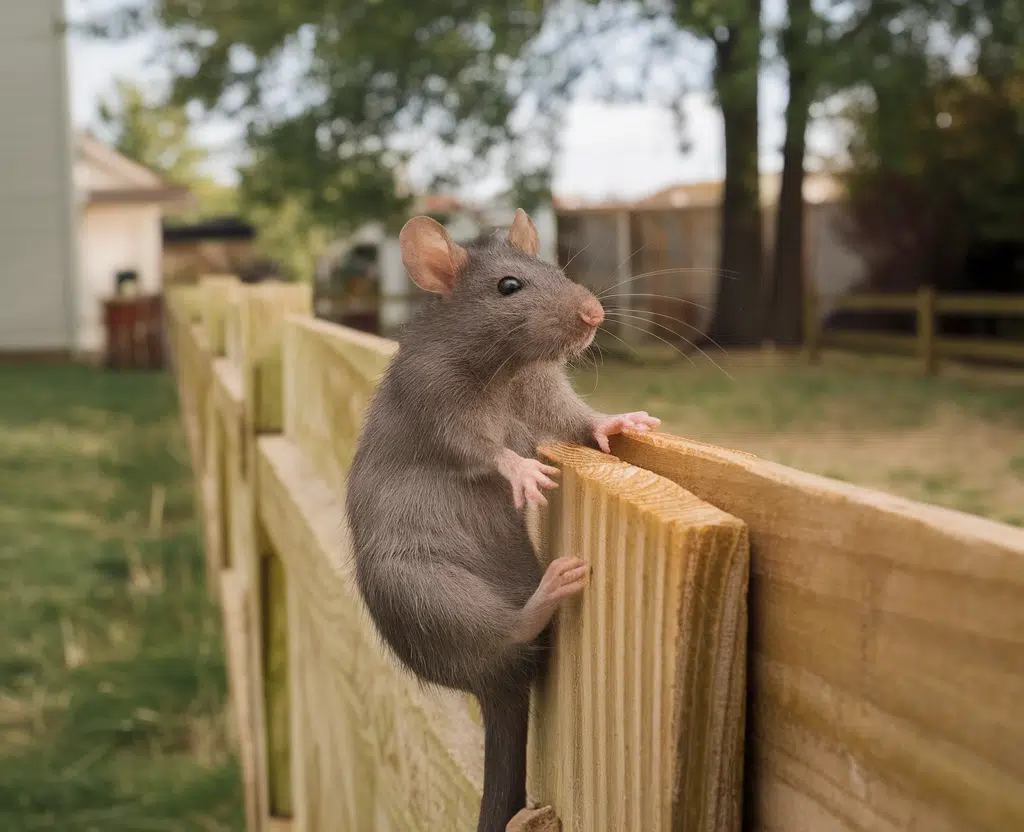
You’re lying in bed, about to drift off to sleep, when you hear it. A faint scratching sound coming from somewhere above your head. At first, you tell yourself it’s nothing, just the house settling or maybe a palm frond scraping the roof in the evening breeze. But then it happens again. And again. That persistent, unsettling rhythm that makes your heart sink because deep down, you already know what it is.
Something is moving in your attic or walls, and if you’re a Homestead homeowner, there’s a very good chance you’re dealing with rats.
I know that feeling, the one that hits you right in the chest when you realize you’re not alone in your own home. It’s more than just a nuisance. It’s personal. This is your sanctuary, the place where your family sleeps, where your kids play, where you’ve built your life. And now you’re sharing it with uninvited guests who have no intention of leaving on their own.
Why Homestead Is Ground Zero for Rat Problems
Here’s the thing about Homestead that makes it uniquely challenging when it comes to rats. You’re living in a beautiful area at the southern edge of Miami-Dade County, surrounded by some of the most productive agricultural land in Florida. Those sprawling farms, nurseries, and groves that make Homestead so distinctive? They’re also creating an all-you-can-eat buffet for rats year-round.
What many homeowners don’t realize is that rats don’t stay put in the fields. They’re constantly on the move, following food sources and water, and your home is a potential rest stop on their nightly foraging routes. Unlike more urban areas where rats tend to concentrate around commercial dumpsters and restaurants, Homestead rats have learned to navigate between agricultural lands and residential neighborhoods with ease.
The homes themselves tell part of the story too. Walk through some of Homestead’s established neighborhoods, and you’ll see beautiful properties with character and history. Many were built decades ago, during times when construction standards were different. Even if you’ve maintained your home meticulously, even if you’ve never had a pest problem before, these structures can develop small gaps and openings over time. And here’s what keeps me up at night when I think about it: a rat only needs an opening the size of a quarter to squeeze through. That’s it. Just a quarter.
The architectural style common throughout the area works against us too. Crawl spaces, accessible attics, outdoor storage areas, these are all features that give your home character but also provide multiple potential entry points for determined rodents looking for shelter.
Climate Conspiracies: How Weather Works Against You
If you’ve lived in Homestead for any length of time, you already know that our subtropical climate is both a blessing and a challenge. You can grow tomatoes in January, but you also never get that hard freeze that kills off mosquitoes and other pests. The same goes for rats, but it’s actually worse than you might think.
In northern states, rodent populations naturally decline during harsh winters. The cold slows their metabolism, reduces their breeding, and just makes life difficult enough that their numbers drop. But here? Rats remain active throughout the entire year. They’re breeding in January just like they’re breeding in July. There’s no seasonal break, no natural population control.
And then there’s the wet season. From May through October, when those afternoon thunderstorms roll in with a vengeance, rats are actively seeking dry shelter. They’re not just looking for food anymore, they’re looking for survival. Your attic, with its dry insulation and protected space, becomes extremely attractive. The occasional flooding that affects low-lying areas of Homestead only intensifies this pressure.
Hurricane season adds another layer to this problem. I’ve talked to countless homeowners who never had a rat problem until after a storm passed through. What happens is that rats get displaced from their usual nesting spots when trees come down, outbuildings get damaged, or burrows flood. Suddenly, you’ve got a surge of homeless rats all looking for new shelter at the same time. Your home might have been perfectly secure before, but when you’ve got that much rodent pressure, any small vulnerability becomes an entry point.
Decoding the Sounds That Wake You at Night
Not every noise in your home means you have rats, but certain sounds are unmistakable once you know what you’re listening for. Let me walk you through what you’re actually hearing when those noises start.
That scratching sound? That’s typically rats moving through confined spaces. They’re squeezing through wall cavities, tunneling through attic insulation, or working their way beneath your flooring. You’ll notice it most at night when everything else is quiet and the rats feel safe to move around. The scratching has a persistent, repetitive quality to it, almost rhythmic, as they gnaw through materials or dig into insulation to create nesting areas. It’s not random. It’s purposeful.
The scurrying or running sounds are different. These are rats moving across open spaces in your attic or within your walls. If you have a tile roof, which is common throughout Homestead, you might hear them running along roof trusses or moving between the tiles and roof decking. These sounds often travel, starting in one area and then moving to another as the rat explores its territory. Sometimes you can actually trace their path through your ceiling based on the sound.
And then there’s the gnawing. This produces a distinctive grinding or chewing sound that, once you’ve heard it, you’ll never forget. Rats’ teeth never stop growing, so they have to constantly gnaw to keep their incisors at manageable lengths. They’ll chew on anything: wood framing, electrical wiring, PVC pipes, even concrete in some cases. This gnawing often happens in concentrated bursts lasting several minutes, then stops, then starts again.
Here’s something important about timing. Rats are primarily nocturnal, which means most of the scratching noises happen between dusk and dawn. Peak activity usually occurs between midnight and 3 AM, which is exactly why it disrupts your sleep so much. But if you’re hearing these noises during the day, that’s actually a red flag suggesting a more serious problem. It means the rat population has grown large enough that some individuals are being forced to forage during non-preferred hours because of competition for space and resources. Daytime activity usually indicates a substantial infestation.
The Hidden Dangers Living Above Your Head
Let me be straight with you about something. Many Homestead homeowners tell me they knew they had rats for weeks or even months before they called for help. They heard the noises but hoped the problem would just go away. Maybe the rats would leave on their own. Maybe it was just one or two and they’d move on. Maybe it wasn’t really that urgent.
I understand that thinking, I really do. Nobody wants to believe they have a rat problem. But here’s the reality: rats never leave voluntarily once they’ve found suitable shelter with access to food and water. Never. And while you’re waiting and hoping, the problem is getting exponentially worse. A single pair of rats can produce up to 2,000 descendants in just one year under ideal conditions. Think about that number for a moment. Two rats become two thousand.
The property damage they cause is significant and expensive. Let’s talk about electrical wiring first, because this is the one that truly frightens me. Rats love to chew on wires, partly because of their texture and partly because wires often run along the paths rats use to navigate. When they gnaw through the insulation and expose the wires, they create serious fire hazards. Industry estimates suggest that rodents cause up to 25% of house fires with unknown origins. That’s not a small number. That’s your home, your family’s safety, at risk.
Then there’s the plumbing. Damaged PVC pipes lead to water leaks, and in Homestead’s humid environment, water leaks lead to mold growth. Fast. The combination of moisture and warmth creates perfect conditions for mold to spread through insulation, drywall, and wood framing. What starts as a small leak becomes a major remediation project.
Your insulation takes a beating too. Rats don’t just pass through it, they compress it, burrow into it, nest in it, and soil it with urine and droppings. This destroys its insulating properties. In Homestead’s hot climate, where we’re all fighting to keep our cooling costs reasonable, compromised attic insulation can send your electric bill soaring. You might be paying for their presence every single month without even realizing it.
The ductwork throughout your home becomes their highway system. They travel through it, gnaw holes in it, and contaminate it. Damaged ducts leak conditioned air into your attic instead of into your living spaces, wasting energy and money. Worse, they spread contaminated air from the attic where rats are nesting into the spaces where your family breathes.
What This Means for Your Family’s Health
The health risks are real, and they’re not something to brush aside. Rats carry diseases and parasites that can seriously affect human health. Their urine and droppings contaminate every surface they touch, and here’s the part that most people don’t realize: as these waste products dry out, they become airborne particles that circulate through your home’s ventilation system. You’re breathing it in without knowing it.
Leptospirosis is transmitted through contact with rat urine, and it’s particularly concerning during Homestead’s rainy season when water intrusion is common. Hantavirus is a serious respiratory disease contracted by breathing contaminated dust particles. Salmonella spreads when rats contaminate food preparation surfaces and stored food items. Rat-bite fever becomes a risk when rats get cornered or when curious pets investigate rat nesting areas.
For families with children, there’s the added concern of allergies and asthma symptoms triggered by rat dander, urine proteins, and droppings. Kids’ developing respiratory systems are especially vulnerable to these contaminants.
And here’s something that surprises many homeowners: rats bring secondary pests with them. Fleas, mites, and ticks living on rats don’t stay on the rats. They transfer to your living spaces, creating additional pest problems that require separate treatment. It’s not just one problem, it’s layers of problems that compound over time.
What You Can Do to Protect Your Home
Prevention is your first line of defense, and while professional pest control provides the most effective solution for active infestations, there are things you can do right now to make your property less attractive to rats. Think of it as making your home a fortress rather than an open invitation.
Start with a thorough inspection of your home’s exterior. I mean really thorough. Get a flashlight, get down on your hands and knees if you need to, and look for any gaps or openings. Pay special attention to areas where utility lines enter your structure. Those are common entry points that often get overlooked. Look at the gaps around your air conditioning line penetrations, Homestead homes often have multiple AC units, which means multiple potential entry points. Check the spaces beneath doors, especially garage doors. Examine roof-to-wall junctions and soffit vents. Crawl space vents often have damaged screens or missing screens entirely.
When you find openings, use the right materials to seal them. Steel wool combined with caulk works well for small gaps because rats can’t chew through steel wool. For larger openings, use hardware cloth. For foundation holes, use concrete. Whatever you do, don’t rely on spray foam alone. Rats chew through spray foam like it’s cotton candy.
Managing Your Landscape Like a Pest Control Pro
Homestead’s lush landscape growth is beautiful, but it also provides excellent rat habitat if you’re not careful about maintenance. Those mature mango trees and avocado trees that provide shade and fruit? They also provide rat highways directly to your roof if the branches are touching your house. Trim tree branches so they’re at least several feet away from your roofline. Rats are excellent climbers, but they can’t jump long distances.
Keep shrubs at least two feet from your home’s foundation. This creates a barrier zone that rats are reluctant to cross because they feel exposed to predators in open areas. Clear away dense ground cover where rats hide during daylight hours. If you have citrus or fruit trees, which are wonderfully common in Homestead yards, pick up fallen fruit promptly. Rats will come from blocks away for fresh fruit.
Food sources are critical to address. Rats need only one ounce of food daily to survive, which isn’t much. Secure your garbage in rat-proof containers with tight-fitting lids. Remove pet food bowls after feeding times rather than leaving food sitting out overnight. Store bird seed in sealed metal containers and clean up beneath bird feeders regularly. Keep compost bins properly maintained and enclosed. If you have a vegetable garden, harvest vegetables promptly when they ripen.
Inside your home, store pantry items in airtight glass or heavy plastic containers. Clean kitchen surfaces thoroughly after meal preparation. Don’t leave dirty dishes overnight. Store pet food in sealed containers. Keep storage areas organized with boxes elevated off floors rather than stacked directly on the ground. Reduce clutter, especially in garages and attics, because clutter provides both nesting materials and hiding spots.
When DIY Isn’t Enough
There comes a point when the hardware store traps and DIY solutions just aren’t cutting it. I’ve met with many Homestead homeowners who spent weeks fighting this battle on their own, setting traps, checking them every morning, maybe catching one or two rats, but still hearing those scratching noises night after night. It’s frustrating and exhausting, and it makes you feel like you’re failing when you’re actually just up against a problem that requires professional expertise.
Here’s when you know it’s time to call in the professionals. If you’re hearing noises in multiple locations throughout your home, that indicates a breeding population. This isn’t one rat that wandered in, this is an established colony that requires comprehensive treatment. If the noises persist despite your control efforts, if you’ve set traps and used rodenticides but still hear scratching after two weeks, it means the rats are either avoiding your traps or entering through access points you haven’t identified.
If you’re finding droppings in your living areas, in kitchens, bedrooms, or living spaces, that’s a major red flag. It means the rats have lost their natural caution around humans, which is a sign of significant population pressure. When rats get that bold, the infestation has reached a serious level.
Strong odors are another clear indicator. The smell of rat urine or worse, decomposing rodents, means you need professional help not just for elimination but for cleanup and sanitization too. And if you have young children or pets, DIY rodenticides pose serious risks. Professional pest control companies use targeted application methods and tamper-resistant bait stations that minimize these dangers in ways that store-bought products simply can’t match.
How Professional Pest Control Solves the Problem
Professional rat control isn’t just about setting more traps or using stronger poison. It’s a systematic approach that addresses both immediate elimination and long-term prevention. When experienced technicians from companies like Dade Pest Solutions come to your Homestead home, they’re not just looking at the obvious signs. They’re conducting a comprehensive inspection that identifies all current and potential entry points, assesses the extent of the infestation based on multiple types of evidence, evaluates environmental factors contributing to the problem, and identifies property-specific vulnerabilities based on your home’s construction, landscaping, and proximity to agricultural areas.
This inspection provides the foundation for a treatment plan that’s customized to your specific situation, not a one-size-fits-all approach. The treatment itself combines multiple strategies working together. Strategic trapping uses professional-grade traps placed in optimal locations based on rat behavior patterns. These aren’t the cheap wooden traps from the hardware store, these are specialized systems designed for difficult cases and positioned based on years of experience understanding how rats think and move.
When rodenticide application is appropriate, licensed technicians apply them according to strict safety protocols. They use tamper-resistant bait stations that protect children, pets, and non-target wildlife. They understand proper placement that maximizes effectiveness while minimizing risks, something that’s impossible to achieve with DIY approaches.
But here’s the most critical component of long-term rat control: exclusion work. This involves sealing entry points using durable materials and proven techniques that actually rat-proof your home. It’s not just stuffing gaps with steel wool and hoping for the best. It’s professional-grade exclusion that prevents new rats from entering even after the current population is eliminated. Without this step, you’re just playing whack-a-mole, eliminating rats while new ones keep getting in.
The Follow-Up That Makes the Difference
Effective rat control requires follow-up visits to check and reset traps, monitor bait station activity, assess treatment effectiveness, identify any new entry points, and make adjustments to the treatment plan as needed. Most professional rat control programs in Homestead include multiple service visits over several weeks because that’s what it takes to ensure complete elimination. Rats are smart, cautious creatures. They’re neophobic, meaning they’re suspicious of new objects in their environment. This makes trapping challenging because rats often avoid traps for several days until they become familiar fixtures. Successful treatment requires patience, proper placement, and understanding of rat psychology that professional technicians develop through training and real-world experience.
Understanding What You’re Really Dealing With
Homestead’s rat problems primarily involve two species, and knowing which one you’re dealing with helps inform the treatment strategy. Roof rats are more common in residential areas. They prefer to nest in elevated locations like attics, trees, and upper wall voids. These agile climbers easily access Homestead homes through roof-to-wall gaps and tree branches. They’re smaller, sleeker, and more acrobatic than their cousins.
Norway rats typically inhabit ground-level areas. They burrow beneath concrete slabs, into crawl spaces, and along foundation perimeters. These larger, more aggressive rats cause extensive damage to foundation areas and underground utilities. They’re the bruisers of the rat world, less elegant but just as destructive.
Both species thrive in Miami-Dade County’s environment because they have everything they need. They require water daily, and Homestead’s combination of irrigation systems, air conditioning condensation, and seasonal rains provides abundant moisture. The year-round moderate temperatures mean there’s no winter die-off, no seasonal population control like you’d get in northern climates. They just keep breeding, month after month.
The Real Cost of Waiting
I understand why homeowners postpone addressing rat problems. You’re hoping the problem will resolve itself, or you’re worried about the cost of professional service, or you think it’s not urgent enough yet. But let me share something I’ve seen over and over again working with homeowners throughout Kendall, Cutler Bay, Palmetto Bay, and Homestead: waiting always costs more in the end.
A rat infestation caught early might require only basic trapping and exclusion work. We’re talking about a straightforward service that solves the problem before it escalates. But an established infestation that’s been ignored for months? That often necessitates extensive exclusion work to seal numerous entry points that have been created or expanded. It requires attic insulation replacement after contamination because you can’t just leave soiled insulation up there. It may require ductwork repair or replacement if rats have damaged the system. It might need electrical wiring repair. It definitely requires extended treatment periods with multiple service visits and thorough cleanup and sanitization services.
Beyond direct pest control costs, delayed action leads to higher utility bills from compromised insulation and damaged ductwork. You might face insurance claims for water damage if chewed pipes have been leaking behind walls. There are potential fire damage claims if chewed wiring causes electrical issues. And there are healthcare expenses for family members affected by rat-borne illnesses or allergens that have been circulating through your home for months.
The financial impact compounds over time, but so does the emotional toll. Living with rats in your home affects your peace of mind, your sleep quality, your sense of security in your own space. That has a cost too, even if it doesn’t show up on a bill.
Your Home Deserves Protection
Your Homestead home represents your largest financial investment and your family’s sanctuary. Those scratching noises you’re hearing aren’t just an annoyance, they’re a signal that this investment and sanctuary are under threat. Homestead’s unique position in Miami-Dade County, surrounded by agricultural operations, natural areas, and diverse neighborhoods, means rat pressure remains constant. This isn’t a problem that goes away if you ignore it.
Professional pest control isn’t just about eliminating current infestations. It’s about implementing preventive barriers that protect your property for years to come. It’s about understanding rodent behavior, having access to professional-grade materials and techniques, and knowing how to identify vulnerabilities specific to Homestead homes and the broader South Miami area.
Homeowners throughout Country Walk, Redland, Princeton, and The Crossings face these same challenges. The subtropical climate, the proximity to agricultural lands, the housing stock, all of it creates an environment where rat control requires local expertise and proven strategies. We’ve seen every variation of this problem across neighborhoods from Coral Gables to Riviera, from Pinecrest to Naranja, and we understand how each area’s unique characteristics affect rat behavior and treatment approaches.
At Dade Pest Solutions, we’ve built our reputation serving Miami-Dade County families just like yours. We’re not a national chain following a generic playbook. We’re your neighbors, deeply rooted in this community, and we understand the specific challenges that Homestead homeowners face. We know how agricultural areas influence rat populations. We understand how seasonal weather patterns drive rats to seek shelter. We’re familiar with local construction styles and the vulnerabilities they create.
Our technicians conduct thorough inspections that identify not just the obvious problems but the underlying causes. We implement customized treatment plans designed specifically for your situation, your home’s construction, your property’s layout, and the specific rat pressure you’re experiencing. We don’t just eliminate the rats causing those scratching noises, we protect your home against future invasions using exclusion techniques that actually work long-term.
You don’t have to live with those scratching noises anymore. You don’t have to lie awake at night wondering what damage is being done above your head or behind your walls. You don’t have to worry about your family’s health being compromised by unseen contaminants circulating through your home. There’s a solution, and it starts with a single phone call.
Contact Dade Pest Solutions today for a comprehensive inspection of your Homestead property. Let us show you exactly what’s happening, explain your options clearly, and implement a solution that gives you back your peace of mind. We serve families throughout Glenvar Heights, Little Gables, Richmond West, Silver Palm, and every community across Miami-Dade County. Your home is your sanctuary. Let’s make sure it stays that way.
Stop losing sleep over rat scratching noises. Stop worrying about what’s happening in your walls and attic. Stop putting off the problem hoping it will resolve itself. Take action today and experience the relief that comes with a truly rat-free home. You deserve that peace of mind, and we’re here to deliver it.

17 Years of Pest Control Experience Founder and Owner of Dade Pest Solutions Proud Resident of South Florida
Shaun Judy, a dedicated South Florida native, is the founder and driving force behind Dade Pest Solutions. With over 17 years of hands-on experience in the pest control industry, Shaun has built a reputation for reliability, results, and real local knowledge. His journey began with a deep commitment to protecting homes from pests using proven methods and innovative solutions. Raised with a strong work ethic and a passion for service, Shaun treats every property as if it were his own—delivering expert care with a personal touch.