
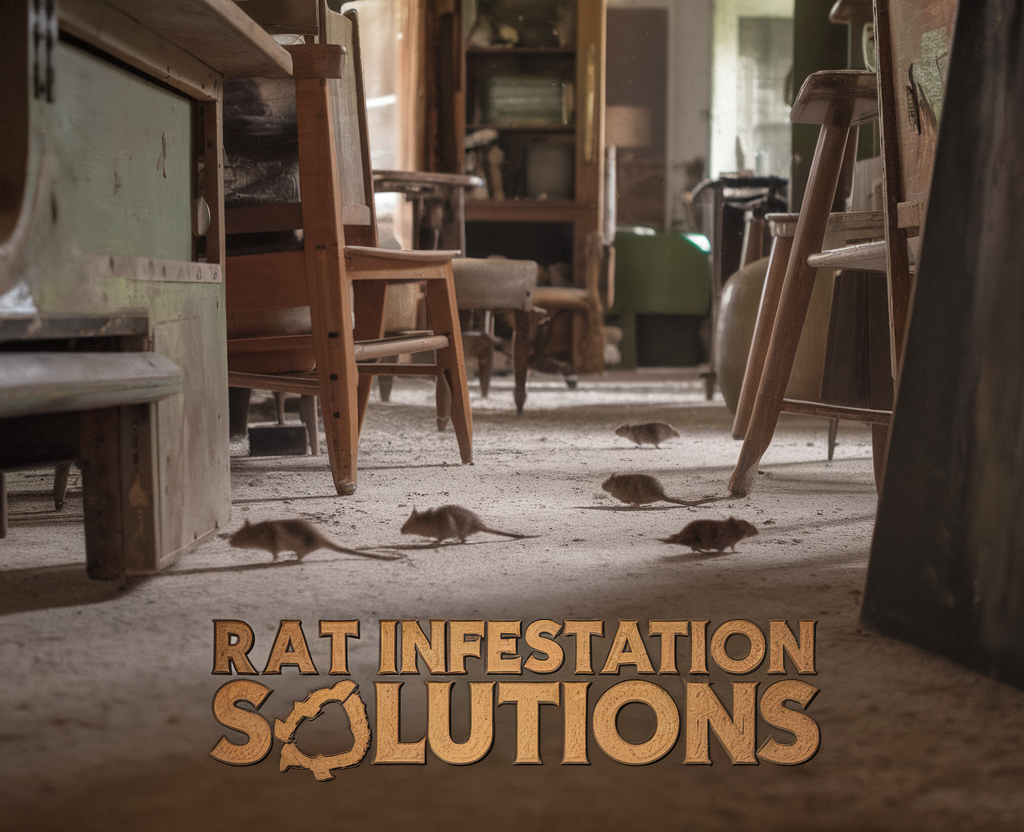
Picture this: You’re settling in for a peaceful evening in your Homestead home, maybe catching up on your favorite show or just enjoying the quiet after a long day. Then you hear it. A distinct scratching sound coming from somewhere inside your walls or ceiling. At first, you tell yourself it’s nothing, maybe just the house settling or a palm frond brushing against the roof in the breeze. But then it happens again. And this time, there’s no mistaking that sound: the unmistakable pitter-patter of tiny feet scurrying above your head.
Your heart sinks. You’ve got rats.
If you’re a homeowner in Homestead or anywhere throughout Miami-Dade County, you’re probably nodding your head right now. This scenario plays out more often than most people realize, and it’s not because you’ve done anything wrong. The truth is, Homestead’s subtropical climate, agricultural surroundings, and unique housing characteristics create what might as well be a five-star resort for rodents. Understanding why rats target our community specifically and knowing how to respond quickly can make all the difference between a minor inconvenience and a nightmare that costs you thousands of dollars.
Why Rats Love Homestead (And What That Means for You)
Here’s the thing about Homestead: we live in what I like to call “rat paradise.” I don’t say that to scare you, but because it’s important to understand what we’re up against. Unlike our friends up north who get a natural break when winter freezes rodent populations into submission, we’ve got year-round warmth that allows rats to breed continuously. And when I say continuously, I mean it. A single pair of rats can theoretically produce up to 2,000 offspring in a year under ideal conditions.
Guess what? Homestead offers pretty close to ideal conditions.
Walk around our neighborhoods, and you’ll see what rats see: lush vegetation, fruit trees dropping mangoes and avocados, vegetable gardens, and those charming agricultural areas that give Homestead its character. For us, it’s the rural charm we love. For rats, it’s an all-you-can-eat buffet that never closes. As development continues converting farmland into residential areas, rats that once lived comfortably in fields suddenly find themselves homeless and looking for new digs. And your attic? Your garage? That cozy crawl space under your house? They look pretty appealing to a displaced rodent family.
Then there’s our housing stock. Many homes in Homestead were built decades ago, long before builders routinely incorporated pest-resistant construction techniques. These older beauties often have gaps around utility lines, weatherstripping that’s seen better days, and foundations that have shifted and cracked over the years. Each of these vulnerabilities is like rolling out the welcome mat for rats. Even newer construction isn’t immune if proper exclusion measures weren’t part of the original building plan.
And let’s not forget geography. Homestead sits right at that transition zone between the wild beauty of the Everglades and the developed areas of Miami-Dade County. Rat populations have established highways of sorts throughout the county, and we’re right in the middle of some major thoroughfares. It’s not your fault. It’s just where we live.
The Warning Signs You Shouldn’t Ignore
Early detection changes everything when it comes to rats. The difference between catching an infestation when it’s just a couple of exploratory scouts versus discovering you’re hosting an entire rat civilization can mean thousands of dollars and months of stress. So what should you be watching for?
Let me walk you through what we see most often when we visit homes in Homestead, Cutler Bay, Palmetto Bay, and throughout our service area.
The Evidence They Leave Behind
Rats aren’t exactly subtle houseguests. They leave calling cards everywhere they go. Droppings are usually the first thing homeowners notice, those dark, capsule-shaped pellets about half an inch to three-quarters of an inch long. You’ll typically find them along walls (rats love to travel along edges where they feel secure), in cabinets, behind appliances, or in storage areas. If you’re finding droppings, you’ve definitely got visitors.
Then there are the gnaw marks. Rats have teeth that never stop growing, which means they have to gnaw constantly to keep them manageable. It’s not optional for them, it’s survival. Fresh gnaw marks look lighter in color and darken as they age. You might spot them on wood trim, plastic containers, cardboard boxes, even on the edges of your drywall.
Those dark, greasy smudges along your walls? That’s another telltale sign. Rats are creatures of habit. They follow the same routes over and over, and their oily fur leaves behind marks on walls, beams, and pipes. If you’re seeing these grease trails, you’re looking at well-established rat highways through your home.
And nesting materials are the real red flag. If you find shredded paper, fabric, insulation, or plant matter stuffed into hidden corners, rats aren’t just visiting anymore. They’ve moved in and are setting up housekeeping.
The Sounds That Wake You Up
That scratching or scurrying you heard? It’s most active at dawn and dusk when rats feel safest moving around. But as populations grow, you might hear activity at all hours. Some homeowners describe hearing what sounds like rolling or thumping as rats move objects around. Others report squeaking or chittering, especially if there’s a sizeable population communicating with each other.
The gnawing sounds are particularly unnerving. Lying in bed listening to something actively chewing on your house is nobody’s idea of a good night’s sleep.
When Your Pets Know Something You Don’t
Your dog or cat might alert you to rat activity before you notice any other signs. Pets will stare intently at walls or ceilings, become fixated on particular areas, or act agitated around certain spots in your home. They can hear and smell things we can’t. If your pet is suddenly obsessed with your attic access or keeps pawing at a particular wall, pay attention. They’re trying to tell you something.
The Smell You Can’t Quite Place
As infestations grow, so does the odor. It starts as a faint musky smell, almost like ammonia, and intensifies over time. It’s the combination of urine, droppings, and the rats themselves. Once you’ve smelled it, you’ll never forget it. And if you’re smelling it, the infestation has likely been established for a while.
The Real Cost of Waiting (And Why It’s Higher Than You Think)
I’ve talked with too many homeowners who waited to address rat problems, thinking they’d handle it themselves or hoping the rats would just leave. I understand the impulse. Nobody wants to admit they have rats, and professional pest control represents an expense you didn’t budget for. But here’s what I’ve learned after years of working with families throughout Homestead and South Miami: waiting always costs more in the end.
Your Family’s Health Is on the Line
Let’s start with what matters most. Rats carry diseases that put your family at genuine risk. Leptospirosis spreads through rat urine and can contaminate surfaces throughout your home. Your kids play on these floors. You prepare food on these counters. Hantavirus, while less common here in Florida than out west, still poses a risk when you’re cleaning areas contaminated with rat droppings. Then there’s salmonellosis from contaminated food prep areas, and rat-bite fever from direct contact or even just handling contaminated surfaces.
And the rats themselves are just the beginning. They bring fleas, mites, and ticks along for the ride. These parasites jump ship to your pets, bite your family members, and introduce their own set of health risks. It becomes this cascading problem that touches every corner of your home life.
Your Home Is Under Attack
The property damage rats cause is genuinely shocking if you’ve never seen it firsthand. I’ve inspected homes where rats gnawed through electrical wiring, creating fire hazards that could have killed everyone in the house. Insurance industry estimates suggest rodents cause up to a quarter of house fires where the cause can’t be determined. Think about that for a moment. In Homestead’s older homes with aging electrical systems, this risk multiplies.
Structural damage accumulates silently. Rats gnaw through wood framing and drywall like it’s nothing. They tear apart insulation for nesting material, and in our hot climate, that translates directly to higher cooling bills every single month. HVAC ductwork becomes Swiss cheese when rats gnaw holes or build nests inside, spreading contaminated air to every room while your system works harder and costs more to run.
I’ve seen rats gnaw through plastic plumbing pipes, creating leaks that went undetected for weeks. In Homestead’s humidity, water damage turns into mold problems fast, and now you’re looking at remediation costs on top of everything else.
The Financial Reality Nobody Talks About
Professional rat control costs money upfront, no question. But the alternative? Homeowners dealing with established infestations often spend thousands repairing electrical damage, replacing contaminated insulation, fixing structural problems, and addressing water damage. If rats have compromised your roof or foundation, repair costs can reach tens of thousands of dollars.
And if you’re thinking about selling? Disclosure laws mean you have to reveal past infestations. That knowledge affects buyer perception, gives them negotiating leverage, and in severe cases might mean you can’t list your property until extensive remediation is complete. I’ve seen homeowners in Kendall and Richmond West lose sale opportunities because they waited too long to address rat problems professionally.
Why DIY Rarely Works (And Often Makes Things Worse)
Look, I get it. You’re handy around the house. You’ve tackled plenty of home improvement projects. How hard can rat control be? You’ll grab some traps from the hardware store, maybe set out some bait, seal a few obvious holes, and call it done.
Here’s what usually happens instead: you catch one or two rats and think you’ve solved the problem. Meanwhile, the rest of the colony is still breeding in your walls. Or you seal what looks like an entry point but miss the dozen others because you don’t know exactly what to look for or where rats typically enter Homestead homes. Maybe you set traps in locations that seem logical but aren’t where rats actually travel because you don’t understand their behavior patterns.
The rats in Pinecrest and Coral Gables behave differently from the ones in Homestead because of our agricultural surroundings and housing stock. Roof rats that dominate in areas with mature tree coverage require different strategies than Norway rats common around ground-level food sources. Knowing which species you’re dealing with and how they behave in Homestead specifically isn’t something you pick up from a YouTube video.
And then there’s safety. Handling dead rats without proper protection exposes you to diseases. Using rodenticides incorrectly can poison pets and wildlife. Disturbing contaminated areas without appropriate equipment and technique spreads pathogens through your air. The pros have the training and gear to handle these hazards safely.
What Professional Rat Control Actually Involves
When you work with experienced pest control professionals (like us at Dade Pest Solutions), you’re getting so much more than someone just setting traps. The inspection alone typically reveals problems homeowners never suspected. Technicians who work in Homestead regularly know exactly where to look in different home styles. We spot that deteriorated vent screen, that foundation crack hidden by landscaping, that gap where utility lines enter that’s just big enough for a rat to squeeze through.
Real exclusion work uses professional-grade materials rats can’t chew through, installed in ways that withstand our intense sun, heavy rain, and humidity. It’s not just stuffing steel wool in a hole and hoping for the best. It’s systematic sealing of every potential entry point using techniques proven to work in South Florida conditions.
The treatment approach combines multiple strategies tailored to your specific situation. Where are the rats nesting? What species are you dealing with? What’s your household situation regarding kids, pets, or health sensitivities? Every home needs a customized plan, not a one-size-fits-all approach.
And the follow-up matters enormously. Effective rat control requires monitoring and adjustment. What works initially might need refinement. New entry points might appear. Weather events might create vulnerabilities. Ongoing partnership ensures your home stays protected.
Prevention Strategies That Actually Work in Homestead
The best rat problem is the one that never happens. While our agricultural setting means we can’t eliminate every attractant, smart prevention dramatically reduces your risk.
Making Your Property Less Inviting
Start outside. Trim vegetation away from your home’s exterior, maintaining at least 12 to 18 inches of clearance. I know those shrubs against the foundation look nice, but they’re providing cover for rats approaching your house. Remove debris piles, unused equipment, and stored materials. That pile of lumber you’re saving for a future project? Perfect rat harborage. The old equipment rusting behind the shed? Same thing.
Store firewood at least 20 feet from your home on raised platforms. Keep compost bins properly maintained with secure lids, or better yet, use enclosed composting systems. If you’re growing fruits and vegetables (and who isn’t in Homestead?), harvest promptly and clean up fallen produce. That mango rotting under your tree is a rat magnet. Secure garbage in sealed containers and don’t leave bags exposed overnight.
Install hardware cloth around foundation vents and screen all openings. This is the kind of detail work that pays huge dividends.
Inside Your Home
Store food in sealed glass or metal containers. Rats chew through plastic and cardboard like they’re barely there. Clean up spills and crumbs promptly, and don’t leave pet food out overnight. Reduce clutter in storage areas, garages, and attics where rats might nest undetected. The more organized your storage, the easier it is to spot signs of activity early.
Seal gaps around pipes and utility lines entering your home. Repair damaged screens, weather stripping, and door sweeps. Keep attic and crawl space vents properly screened and maintained. These aren’t exciting Saturday projects, but they’re incredibly effective.
Ongoing Maintenance
Address roof damage promptly because even small openings invite roof rats. Repair foundation cracks and gaps. Ensure proper drainage around your foundation to prevent standing water. And maintain regular inspection schedules for areas prone to rat activity.
Homeowners throughout The Crossings, Country Walk, and Naranja who partner with us for ongoing monitoring catch problems when they’re still minor. Regular inspections mean we spot new vulnerabilities before they become infestations.
Know Your Enemy: Roof Rats vs. Norway Rats
Not all rats are created equal, and knowing which type you’re dealing with matters more than you might think.
Roof rats are the acrobats of the rodent world. Sleek, agile, with tails longer than their bodies, these guys are climbers. They access homes through overhead routes like tree branches touching your roofline, utility lines, or roof vents. They prefer elevated spaces like attics and upper stories. In Homestead, with our beautiful citrus trees and tropical landscaping, roof rats find ideal habitat. Those mature trees providing wonderful shade? They’re also highways for roof rats to reach your roof.
Norway rats are bulkier, more ground-oriented. They’re excellent burrowers that typically inhabit crawl spaces, ground-level spaces, and outdoor burrows. You’ll find them around agricultural operations, near water sources, and anywhere there’s ground-level food availability. In neighborhoods closer to farming operations, Norway rats often dominate.
Why does this matter? Because roof rat control focuses on upper-level exclusion and cutting off aerial access points, while Norway rat control emphasizes ground-level entry prevention and addressing burrowing activity. A treatment plan designed for one species might completely miss the mark for the other.
When to Call the Professionals (Hint: Probably Sooner Than You Think)
Some situations absolutely require professional intervention. If you’ve discovered extensive droppings indicating a substantial population, don’t wait. If you’re hearing rat activity in multiple areas of your home, the problem is already beyond DIY solutions. Finding nesting materials or actual nests means rats have established themselves, and DIY efforts rarely eliminate established colonies successfully.
If you’ve been trying to handle it yourself for two weeks without reducing activity, it’s time to call in reinforcements. Sometimes homeowners in Redland or Silver Palm will keep at it for months, spending money on traps and supplies while the infestation grows. That’s exactly backward.
Discovered damaged wiring or significant property damage? You need professionals immediately. This isn’t just about getting rid of rats anymore; it’s about safety. If you have health concerns, including family members with compromised immunity or respiratory conditions, professional handling protects your vulnerable loved ones.
Can’t identify or access entry points? That’s what we do. Dealing with rats in hard-to-reach areas like inside walls or under foundations? We have the tools and techniques. And if you simply want to prevent infestations before they start through professional monitoring, that’s actually the smartest call you can make.
What to Expect When You Work with Local Experts
Understanding what happens during professional rat control helps you know what you’re getting for your investment. The initial inspection typically takes 45 to 90 minutes depending on your property size and the extent of any infestation. We examine everything, inside and out, identifying entry points, activity signs, damage, and conditions that attracted rats in the first place.
Based on what we find, we develop a customized treatment plan specific to your situation. We consider which rat species you’re dealing with, how severe the infestation is, your property’s unique characteristics, and your household’s specific needs. Got young kids? Pets? Someone with chemical sensitivities? All of that factors into our approach.
Exclusion work is where the real magic happens. This is sealing entry points properly using professional-grade materials and techniques that last. We might install hardware cloth, seal foundation gaps, repair roof damage, screen vents, and address dozens of access points throughout your property. This is the work that prevents rats from returning after we’ve eliminated the current population.
Population reduction uses strategically placed traps and other control measures appropriate to your situation. Sanitation and cleanup removes contamination, addresses odors, and eliminates scent trails that attract additional rats. This isn’t just about making things smell better; it’s about removing chemical signals that tell other rats this is a good place to move in.
Follow-up service ensures everything is working as intended. We monitor for new activity, refine strategies if needed, and verify that exclusion work remains effective. And throughout the process, we provide prevention recommendations: property modifications and maintenance practices that keep your home protected long-term.
The Homestead Difference: Why Local Knowledge Matters
Rat control in Homestead differs from rat control in other parts of Miami-Dade County. Our agricultural operations, housing characteristics, proximity to the Everglades, and environmental conditions create unique challenges. A pest control company that primarily works in urban Miami might not fully understand what you’re dealing with here.
We work in Homestead every day. We know which rat species predominate in different neighborhoods. We recognize construction vulnerabilities common to local housing stock. We understand how seasonal changes in agricultural activity affect rat pressure on residential properties. When farming operations harvest, clean fields, or change crops, rat populations shift. We see these patterns and adjust our strategies accordingly.
This local expertise translates to more effective service. Rather than applying generic approaches, we deliver customized strategies that address your specific situation within the context of broader community conditions. It’s the difference between someone reading about rats and someone who’s personally dealt with hundreds of Homestead rat infestations.
Your Home Deserves Protection
Your Homestead home represents one of your largest investments. Protecting it from rat damage preserves both its value and your family’s health. And here’s something you need to understand: rats don’t simply leave on their own. Populations grow exponentially when conditions remain favorable, and our subtropical climate means they breed continuously. Small problems become serious infestations remarkably quickly.
Taking action at the first signs of rat activity gives you the best outcomes. Early intervention costs less, prevents extensive damage, and protects your family from health risks. Even if you haven’t noticed activity yet, proactive inspections and preventive measures offer valuable protection in an area with persistent rat pressure like ours.
We’ve been serving homeowners throughout Homestead, Naranja, Princeton, and all across Miami-Dade County for years, and we’ve learned that the families who fare best are the ones who partner with professionals early. They don’t wait until the problem is overwhelming. They don’t spend months trying DIY solutions that partially work at best. They reach out, get expert assessment, and implement comprehensive solutions that actually eliminate infestations and prevent recurrence.
At Dade Pest Solutions, we’ve built our reputation on understanding the specific challenges you face in Homestead. We know your neighborhood. We understand the agricultural surroundings that support rat populations. We recognize the construction characteristics that make homes vulnerable. And we’ve developed proven strategies that work in your specific environment, not just in theory but in practice, property after property, year after year.
If you’re hearing scratching in your walls right now, if you’ve spotted droppings, if your pet has been acting strange around certain areas of your home, or if you simply want to prevent rat problems before they start, we’re here to help. Our approach combines thorough inspection, effective exclusion, strategic population control, and ongoing monitoring to deliver lasting results. We’re not interested in quick fixes that have you calling us back in three months. We want to solve your rat problem comprehensively and keep your home protected for the long term.
Your Homestead home deserves protection from rats, and your family deserves peace of mind. We’re here to deliver both with the local expertise and professional service you can count on. Give Dade Pest Solutions a call today for a detailed inspection and customized treatment plan. Let’s stop rats fast, so you can get back to enjoying your home the way you should: rat-free and worry-free.
Common Questions Homestead Homeowners Ask Us
How quickly can rats infest my home?
Faster than you’d believe. Rats reach sexual maturity in just a few months, and females can produce up to six litters per year with up to twelve pups per litter. In Homestead’s year-round warm climate, breeding never stops. What starts as a single pregnant female can become dozens of rats within months. This is why early intervention matters so much.
Can I just seal up entry points myself and skip professional treatment?
If rats are already inside, sealing entry points without eliminating the existing population traps them inside with you. They’ll either find or create new exits, or they’ll die in your walls creating an even worse situation. Effective rat control requires both population elimination and exclusion work, done in the right order.
Are rats more active during certain times of year in Homestead?
Unlike northern regions where rat activity peaks seasonally, Homestead’s subtropical climate keeps rats active year-round. However, we do notice increased pressure during our cooler months (December through February) when rats seek warmer shelter, and during harvest seasons when agricultural activity displaces rats from fields into residential areas.
Will getting rid of rats harm other wildlife around my property?
Professional rat control uses targeted approaches that minimize impact on non-target species. We avoid broadcast baiting, focus on exclusion and trapping, and consider the broader ecosystem when developing treatment plans. Protecting your home doesn’t mean harming the environment.
How long does professional rat control take?
Initial treatment and exclusion work typically happens within the first week or two. Complete elimination of an established infestation usually takes four to six weeks with proper follow-up. Ongoing monitoring and prevention is a long-term partnership. Every situation is different, but we’ll give you realistic timelines based on what we find during inspection.
What’s the difference between rats and mice, and does it matter?
Rats are significantly larger than mice, cause more damage, and require different control approaches. Mice can squeeze through dime-sized openings while rats need quarter-sized gaps. The gnaw damage, droppings, and behavior patterns differ substantially. If you’re not sure which you’re dealing with, professional identification ensures you get the right treatment.
Can rats come up through toilets?
It’s rare but possible, particularly with Norway rats that are excellent swimmers. More commonly, rats access bathrooms through gaps around plumbing pipes or through walls. Proper exclusion work addresses these vulnerabilities and makes such incidents extremely unlikely.
Is rat control safe around my children and pets?
Absolutely, when handled professionally. We use approaches and products appropriate for homes with kids and pets, and we provide clear guidance about any precautions needed during treatment. Your family’s safety is as important to us as eliminating your rat problem.
Will my homeowners insurance cover rat damage?
Most standard homeowners insurance policies specifically exclude rodent damage, considering it a maintenance issue rather than a sudden, accidental loss. This is why prevention and early intervention are so important. The costs of rat damage typically come out of your pocket.
Do electronic ultrasonic repellents work?
Despite marketing claims, scientific studies consistently show ultrasonic devices have little to no effect on rat behavior. Rats may avoid the immediate area initially but quickly habituate to the sound. These devices aren’t a solution, and relying on them allows infestations to grow while you think you’re protected. Save your money for proven methods that actually work.

17 Years of Pest Control Experience Founder and Owner of Dade Pest Solutions Proud Resident of South Florida
Shaun Judy, a dedicated South Florida native, is the founder and driving force behind Dade Pest Solutions. With over 17 years of hands-on experience in the pest control industry, Shaun has built a reputation for reliability, results, and real local knowledge. His journey began with a deep commitment to protecting homes from pests using proven methods and innovative solutions. Raised with a strong work ethic and a passion for service, Shaun treats every property as if it were his own—delivering expert care with a personal touch.