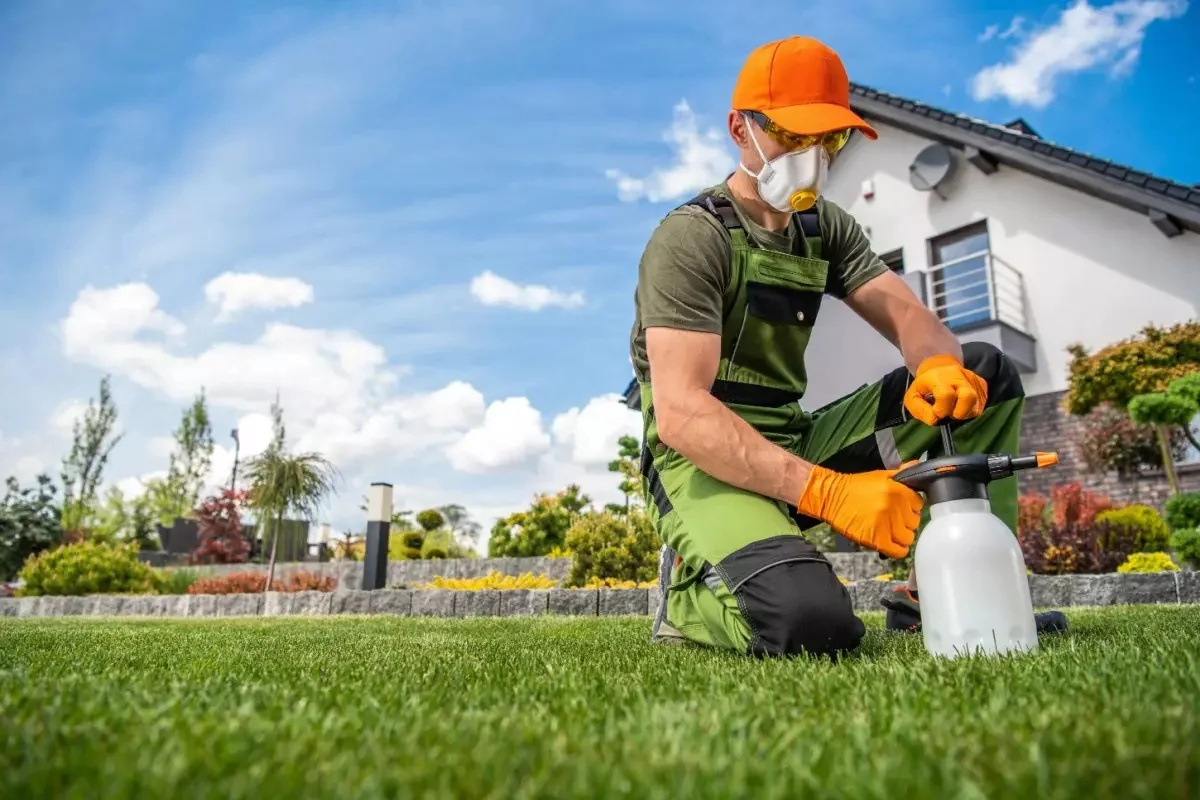
South Florida is one of the most pest-active regions in the entire United States. The combination of year-round warmth, high humidity, abundant rainfall, and a subtropical ecosystem creates ideal conditions for dozens of pest species that simply do not survive in colder climates. For homeowners in Miami-Dade County, pest control is not a seasonal concern. It is a year-round necessity.
This guide covers the 10 most common pests found in South Florida homes, what signs to look for, and which professional treatment is most effective for each. Whether you are a new homeowner or a long-time South Florida resident, understanding what you are dealing with is the first step toward protecting your home.
The 10 Most Common South Florida Pests
German Cockroach
Blattella germanica
The most problematic roach in South Florida homes and restaurants. German cockroaches reproduce rapidly, resist many over-the-counter products, and carry bacteria that contaminate food surfaces. They prefer warm, humid kitchens and bathrooms.
Warning Signs
- Egg casings near appliances
- Musty odor in cabinets
- Droppings resembling black pepper
- Live roaches near stove or refrigerator
Subterranean Termite
Reticulitermes and Coptotermes spp.
Miami-Dade County is considered one of the most termite-active regions in the United States. Subterranean termites, including the invasive Formosan termite, build colonies underground and enter structures through mud tubes. A single colony can contain millions of workers and cause tens of thousands of dollars in structural damage before being detected.
Warning Signs
- Mud tubes on foundation walls
- Hollow-sounding wood
- Discarded wings near windows
- Sagging floors or ceilings
Ghost Ant
Tapinoma melanocephalum
Ghost ants are one of the most common ant species in South Florida and are nearly invisible due to their pale, translucent legs and abdomen. They nest both indoors and outdoors, forage for sweets and grease, and can establish multiple satellite colonies throughout a home.
Warning Signs
- Tiny pale ants near kitchen counters
- Trails along baseboards
- Nests in potted plants or wall voids
- Sudden appearance after rain
White-Footed Ant
Technomyrmex difficilis
White-footed ants are an invasive species that arrived in South Florida in the 1980s and have since become one of the most difficult ant species to control. Colonies can contain up to three million individuals, and because only a small percentage of the colony forages, baiting programs must be carefully designed.
Warning Signs
- Large numbers of small black ants
- Trails on exterior walls and trees
- Nests in leaf litter or mulch
- Activity near moisture sources
Fire Ant
Solenopsis invicta
Red imported fire ants are a significant health hazard in South Florida yards. Their mounds appear quickly after rain and their stings cause painful, burning welts that can trigger severe allergic reactions in sensitive individuals. Fire ants are aggressive defenders of their colonies.
Warning Signs
- Dome-shaped mounds in lawn
- Aggressive swarming when disturbed
- Painful stings with white pustules
- Mounds near irrigation heads
Roof Rat
Rattus rattus
Roof rats are the dominant rodent species in South Florida. Unlike Norway rats, they are agile climbers that enter homes through rooflines, vents, and gaps near utility penetrations. They contaminate food, chew electrical wiring, and can spread leptospirosis and other diseases.
Warning Signs
- Droppings in attic or kitchen
- Gnaw marks on wood or wires
- Grease marks along walls
- Scratching sounds at night
Aedes Mosquito
Aedes aegypti and Aedes albopictus
South Florida is home to two of the most disease-capable mosquito species in the world. Aedes aegypti is the primary vector for dengue, Zika, and chikungunya. Unlike most mosquitoes, Aedes species bite during the day and breed in tiny amounts of standing water, making them difficult to control without professional intervention.
Warning Signs
- Bites during daytime hours
- Standing water in containers or gutters
- High activity near shaded areas
- Larvae in birdbaths or plant saucers
Bed Bug
Cimex lectularius
Bed bugs are a growing problem in South Florida due to the region's high volume of tourism and international travel. They hide in mattress seams, bed frames, and electrical outlets, emerging at night to feed. Infestations spread quickly and require professional heat or chemical treatment.
Warning Signs
- Rust-colored stains on bedding
- Bites in linear patterns on skin
- Sweet musty odor in bedroom
- Live bugs or shed skins in seams
Flea
Ctenocephalides felis
Cat fleas are the most common flea species in South Florida and affect both pet-owning and non-pet-owning households. The warm, humid climate allows fleas to survive year-round outdoors. Flea eggs can remain dormant in carpets and yard debris for months before hatching.
Warning Signs
- Pets scratching excessively
- Small jumping insects on ankles
- Flea dirt (black specks) in pet bedding
- Bites around ankles and lower legs
American Cockroach (Palmetto Bug)
Periplaneta americana
The American cockroach, commonly called the palmetto bug in Florida, is the largest cockroach species in the region. They primarily live outdoors in mulch, trees, and storm drains but enter homes seeking moisture and warmth. While less of a sanitation threat than German roaches, their large size and flying ability alarm most homeowners.
Warning Signs
- Large reddish-brown roaches near drains
- Egg cases in garage or attic
- Activity near water heater or AC unit
- Musty odor in crawl spaces
Why South Florida Has More Pest Problems Than Most of the US
Most pest species require warm temperatures to reproduce and survive. In northern states, winter kills off a significant portion of pest populations each year, giving homeowners a natural break. South Florida has no such break. Average temperatures rarely drop below 60 degrees Fahrenheit even in January, and the wet season from May through October provides the moisture that most pest species need to thrive.
South Florida is also a major international port of entry. Miami International Airport and PortMiami handle tens of millions of passengers and millions of tons of cargo annually, creating constant opportunities for invasive pest species to arrive and establish themselves. The Formosan subterranean termite, the ghost ant, the white-footed ant, and the Aedes aegypti mosquito all arrived in South Florida through international trade and travel.
The result is a pest environment that is genuinely different from the rest of the country, requiring pest control strategies specifically designed for the South Florida climate and pest species mix.
South Florida Pest Facts
Which Dade Pest Solutions Service Covers Which Pests
Not every pest requires the same treatment approach. Here is a quick reference for which Dade Pest Solutions service covers the most common South Florida pest threats:
| Service | Pests Covered | Frequency |
|---|---|---|
| Residential Protection Program (RPP) | Ghost ants, white-footed ants, carpenter ants, American cockroaches, spiders, silverfish, earwigs, ticks (5 ft perimeter + interior) | Quarterly |
| Perimeter Defense System (PDS) | Fire ants, broad ant species, exterior perimeter pests | Quarterly |
| German Roach Elimination Program | German cockroaches (interior) | As needed |
| Rodent Defense Audit (RDA) | Roof rats, Norway rats, mice | Ongoing monitoring |
| Termite Risk Mitigation Plan (TRMP) | Subterranean termites, Formosan termites | Annual |
| Specialty Services | Bed bugs, mosquitoes, fleas, wasps, bees, spiders, birds | As needed |
Frequently Asked Questions
What is the most common pest in South Florida?
German cockroaches and ghost ants are the most frequently encountered pests inside South Florida homes. Outdoors, subterranean termites and fire ants are the most prevalent. The warm, humid climate supports year-round pest activity for all of these species.
Are termites a big problem in Miami-Dade County?
Yes. Miami-Dade County is consistently ranked among the top termite-infested areas in the United States. The combination of Formosan termites, Asian subterranean termites, and drywood termites makes South Florida one of the most challenging environments for termite control in the country.
Do I need pest control year-round in South Florida?
Yes. Unlike northern states where cold winters reduce pest populations, South Florida's climate supports active pest populations every month of the year. A quarterly protection plan like the Residential Protection Program is the most effective way to maintain continuous protection.
What pests are unique to South Florida compared to the rest of the US?
South Florida has several pest species not commonly found elsewhere in the continental US, including the Formosan subterranean termite, ghost ants, white-footed ants, and Aedes aegypti mosquitoes. The invasive nature of many of these species makes professional treatment more important than in other regions.
How do I know if I have termites or ants?
Termite swarmers have straight antennae, equal-length wings, and a thick waist. Ant swarmers have bent antennae, unequal wings, and a pinched waist. If you find mud tubes on your foundation, that is a definitive sign of subterranean termites. When in doubt, a professional inspection is the safest approach.
What is the best pest control plan for South Florida homes?
The Residential Protection Program (RPP) from Dade Pest Solutions provides quarterly exterior treatments that cover the most common South Florida pests including roaches, ants, spiders, and silverfish. For fire ants and broader perimeter coverage, the Perimeter Defense System adds an additional layer of protection.

Protect Your South Florida Home Year-Round
The Residential Protection Program covers the most common South Florida pests with quarterly exterior treatments, a satisfaction guarantee, and same-day service availability. Call us today for a free estimate.